HIV Prevention, Care and Treatment
With support from the U.S. President’s Emergency Plan for AIDS Relief (PEPFAR), MUWRP has delivered comprehensive HIV prevention, care, and treatment services in Uganda since 2005. The program began in Kayunga District and has expanded to Buikwe, Buvuma, Mukono, Luwero, and Nakasongola districts, as well as a specialized clinic in Kampala.
The program combines prevention, clinical care, laboratory services, logistics, digital health, and community engagement to improve HIV outcomes. Its comprehensive, data-driven model prioritizes prevention, early diagnosis, rapid treatment initiation, retention in care, and sustained viral suppression. All interventions align with Ministry of Health guidelines and national frameworks, with health systems strengthening integrated across service delivery.
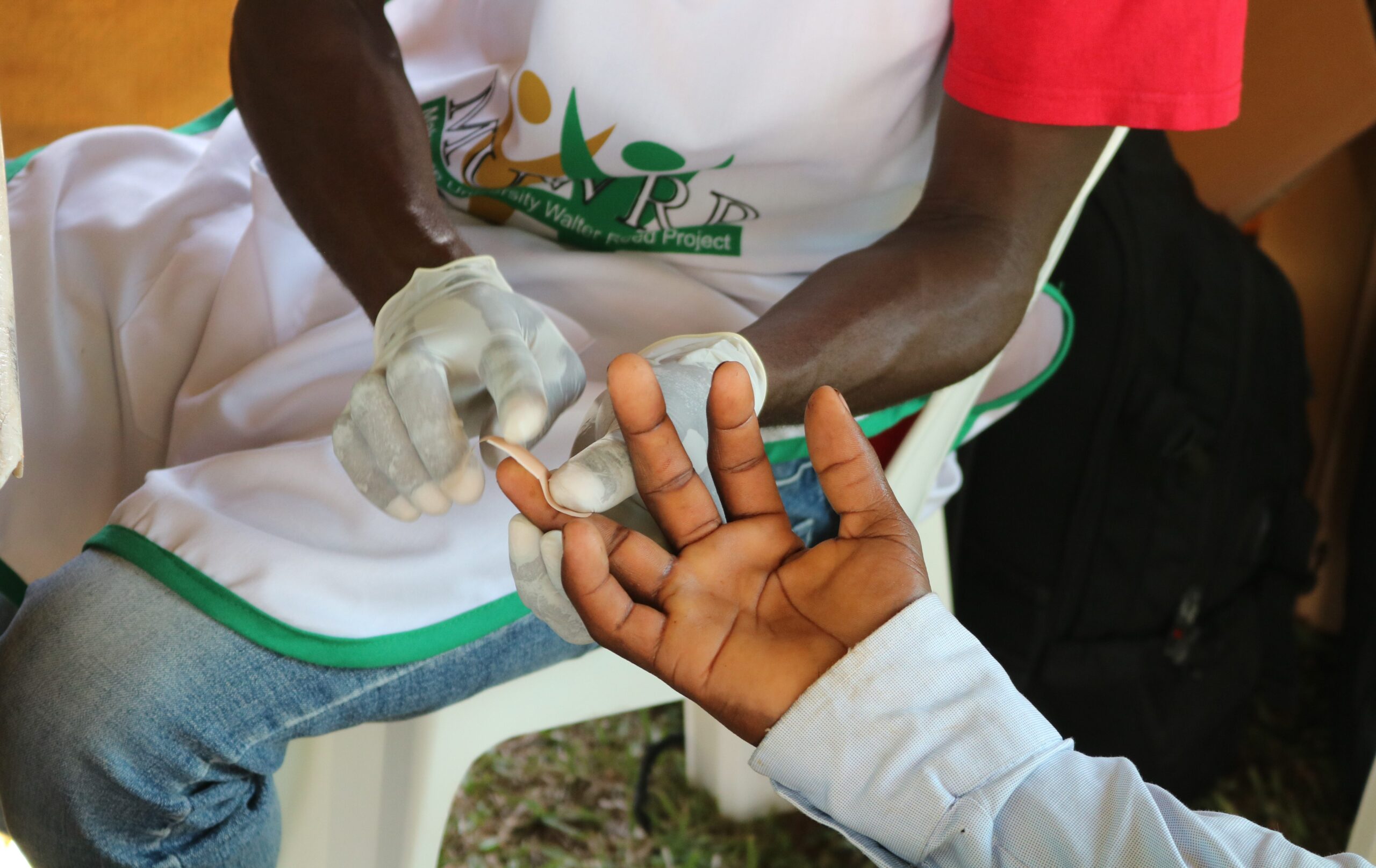
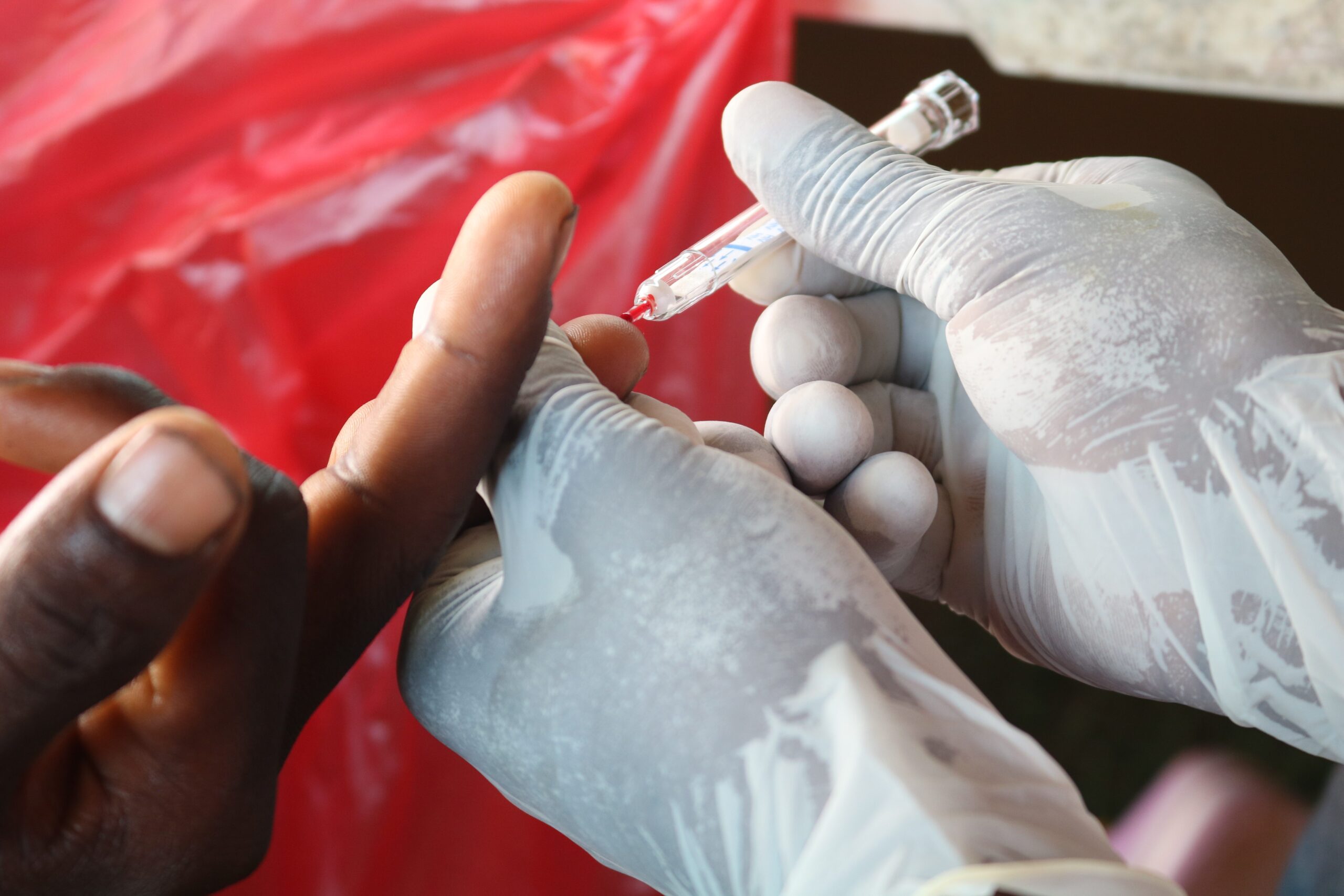
HIV Testing Services
MUWRP supports HIV testing services (HTS) at 184 health facilities across six districts of Uganda namely: Kayunga, Mukono, Buikwe, Buvuma, Nakasongola, and Luwero.
The services are offered to individuals of unknown HIV status, as well as their partners, families, and social networks through client-centered approaches.
Priority populations include pregnant and breastfeeding women, children and adolescents, individuals in high-risk relationships, survivors of gender-based violence, and underserved populations such as fisherfolk, truck drivers, migrant workers, and persons with disabilities.
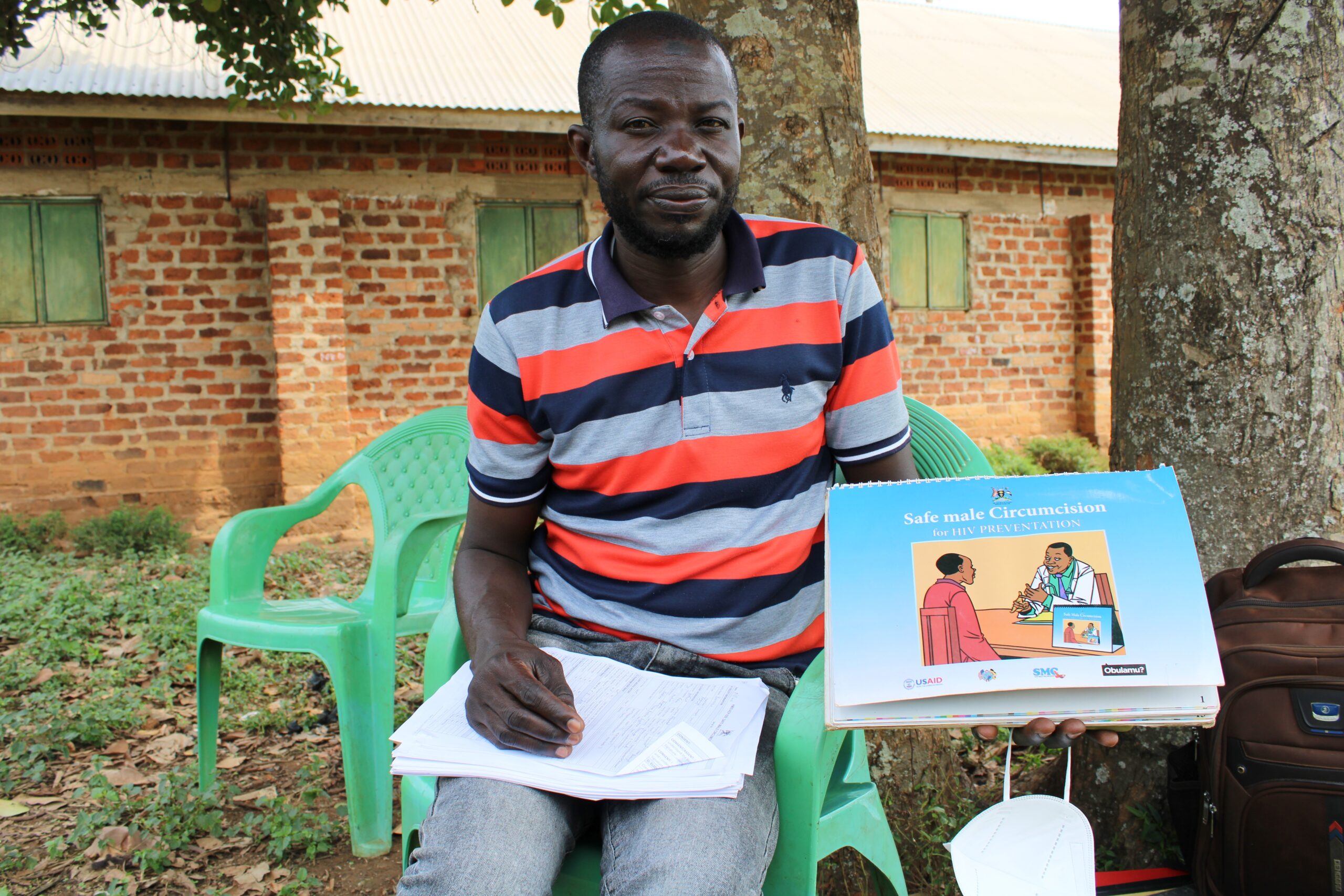
Individuals who test positive are linked to treatment and care, while those who test negative are supported with prevention options, including behavioural change interventions, partner testing, condom use, and biomedical services such as PrEP, PEP, STI management, eMTCT, and voluntary medical male circumcision (VMMC).
HIV Prevention
✍🏽 Pre-Exposure Prophylaxis (PrEP)
MUWRP links HIV-negative individuals to appropriate prevention services, including Pre-Exposure Prophylaxis (PrEP). PrEP options include daily oral PrEP, event-driven PrEP, the Dapivirine Vaginal Ring, and long-acting injectables such as Cabotegravir and Lenacapavir. Clients are screened based on national guidelines, including HIV risk, clinical eligibility, and readiness to adhere to treatment.
Priority populations targeted for these services include key and vulnerable groups such as female sex workers, fishing communities, migrant populations, long-distance truck drivers, adolescent girls and young women, and discordant couples.
✍🏽Prevention of Mother-to-Child Transmission (PMTCT)
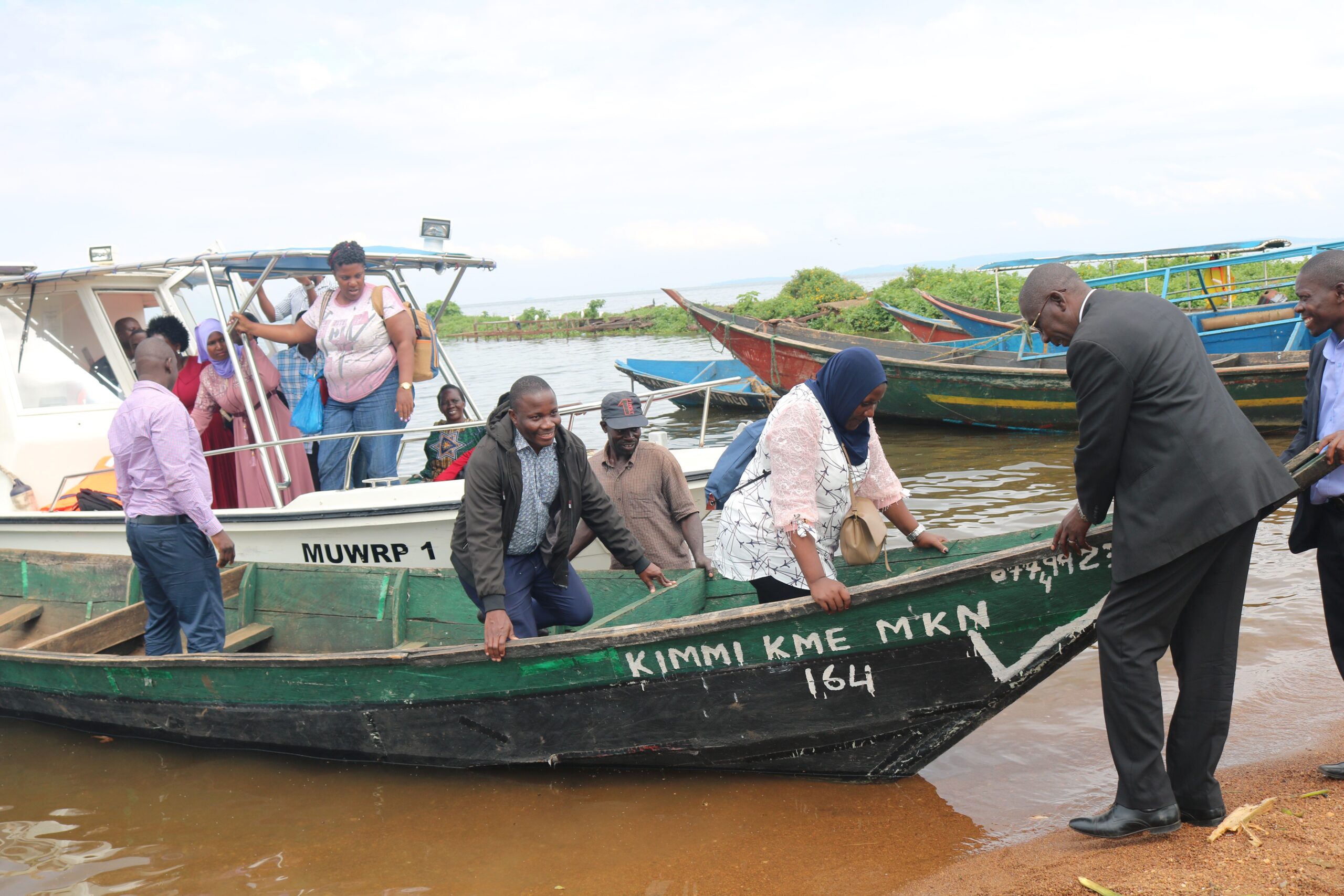
Since 2012, MUWRP has supported PMTCT services across six districts, including high-burden island communities. The services focus on elimination of mother-to-child transmission (eMTCT) by initiating all HIV-positive pregnant and breastfeeding women on lifelong ART and supporting safe deliveries and postnatal follow-up. HIV-exposed infants follow a structured testing schedule from early infancy through breastfeeding cessation to confirm HIV status.
Community-based approaches, including Mother-to-Mother groups and Community Treatment Support Groups, strengthen retention, adherence, and overall family wellbeing.
HIV Care and Treatment
MUWRP is committed to achieving 100% linkage to care and treatment for all individuals diagnosed with HIV. From serving 99 clients in 2005, the program has grown substantially and currently supports 97,832 clients on antiretroviral therapy (ART).
Core services include counselling, rapid ART initiation, management of opportunistic infections, and adherence support. Multi-month dispensing, real-time follow-up of missed appointments, community-based service delivery, and continuous health education support continuity of care and progress toward the 95% viral load suppression target.
The program also provides integrated services at health facilities, including tuberculosis (TB) screening, diagnosis, and treatment, supported by strengthened facility and community systems for TB prevention and control. Cervical cancer screening is integrated into HIV care to promote early detection among women living with HIV.
To reduce HIV-related morbidity and mortality among adolescents and young people, MUWRP implements the Young Adolescents Peer Support (YAPS) model, which provides peer-led counselling, adherence support, and follow-up through 63 trained peers across 18 facilities.
MUWRP also implements the School Health Program in Kayunga, Mukono, and Luwero districts, covering 40 schools, reaching 9,856 learners, establishing 26 school clubs, and supporting 219 HIV-positive learners through improved linkage to care.
Laboratory Services
MUWRP’s PEPFAR-supported laboratory program strengthens diagnostic capacity through a hub network serving 184 health facilities, including those in hard-to-reach island communities. Investments focus on infrastructure, equipment, human resources, and quality systems to ensure reliable service delivery. Four of the six supported laboratory hubs—Kayunga RRH, Mukono GH, Kawolo GH, and Luwero GH—have achieved and sustained international accreditation, while Buvuma HC IV and Nakasongola HC IV continue to progress through the Strengthening of Laboratory Management Towards Accreditation (SLMTA) process. Continuous quality improvement is reinforced through participation in External Quality Assurance (EQA) and Proficiency Testing (PT), including TB microscopy blinded rechecking, alongside timely corrective actions.
To support efficient operations, MUWRP provides human resource support to over 20 laboratory and non-laboratory personnel and invests in ongoing capacity development through training, mentorship, and coaching in Laboratory Quality Management Systems (LQMS), SLMTA, and diagnostic advancements. A robust sample referral network, supported by 18 hub motorcycles, ensures timely transportation of samples and results. This is complemented by infrastructure improvements, including laboratory renovations and expansions, and reliable power solutions such as backup systems across mainland hubs and solar power installations in Buvuma.
The program has also advanced digital transformation, transitioning from paper-based systems to electronic platforms such as IRRDS, ClinicMaster EMR, and ALIS, enabling real-time test requests, results reporting, and improved data management.
The laboratory biosafety and biosecurity are prioritized through routine audits, staff training, and provision of essential supplies, ensuring safe laboratory practices and sustained service quality.
Medical Logistics Management
MUWRP ensures continuous availability of medicines and health commodities across public, private not-for-profit (PNFP), and selected private-for-profit (PFP) facilities in the six supported districts, including hard-to-reach island communities. Through electronic ordering systems with National Medical Stores and Joint Medical Stores, the program supports procurement and distribution of ARVs, PrEP commodities, TB medicines, HIV test kits, and specialized third-line regimens.
Health Systems Strengthening (HSS)
MUWRP’s HSS approach aligns with WHO’s six building blocks and supports 21 sub-grantees, including local governments, Private Not-for-Profit (PNFP) facilities, hospitals, and community organizations. Leadership and governance are strengthened through support to Hospital Boards and Health Unit Management Committees (HUMCs), in collaboration with District Health Teams. The program also supports Human Resources for Health, workforce development, and performance management aligned with national sustainability frameworks.
MUWRP has also scaled up the ClinicMaster EMR system, including point-of-care implementation in 17 facilities. Digital investments include more than 1,000 computers, solar backup in 128 facilities, and LAN connectivity in 37 sites, ensuring uninterrupted service delivery. These systems interoperate with national health information platforms to support real-time data use and improved patient care outcomes.
Impact and Innovations
- Broad Reach and Integrated Impact: Supporting 184 health facilities, 97,832 clients on ART, 40 schools, 9,856 learners, and 219 HIV-positive learners linked to care through integrated health and education interventions.
- Keeping Treatment on Track: Strengthening patient tracking, adherence support, and continuity-of-care systems to reduce ART interruptions.
- Strengthening Global Health Security: Enhancing outbreak preparedness and response, including Ebola readiness, through stronger facility and community systems.
- Expanding Prevention Options: Increasing access through HIV self-testing and innovative approaches such as drop-box models, especially for underserved populations.
- Youth-Focused Care: Delivering tailored interventions to improve adherence, retention, and viral suppression among adolescents and young people.